NAMNAM ConsultantsUrology OPD · Imphal, Manipur
Home › Chronic pelvic & bladder pain
Awareness · Men & women

Long-lasting pelvic or
bladder pain?

Chronic pelvic pain syndrome (CPPS) and bladder pain syndrome (also called interstitial cystitis) are real, common and treatable — even when urine tests are normal and antibiotics haven't helped.

● Not in your head ● Not cancer ● Not contagious ● Can be managed
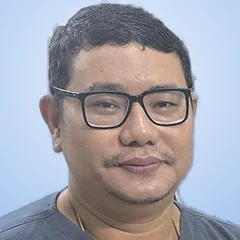
Dr. Nameirakpam Shantajit
Dr. Nameirakpam ShantajitMBBS (SPMC Bikaner) · MS Surgery & M.Ch Urology (RIMS Imphal) · MMC Reg. No. MNP 150

Where it can hurt

Pain or pressure in one or more of these areas, often with urinary symptoms

  • 🫧 Bladder / lower tummy — worse as the bladder fills
  • 🔻 Between the legs (perineum) or around the back passage
  • 🔵 Testicles, penis tip, or vagina / vulva
  • ⚡ During or after passing urine, or after sex
  • 🚻 Frequent, urgent urination — day and night
3 mo+pelvic pain (CPPS)
6 wk+bladder pain (IC/BPS)
CommonAffects both men and women of all ages
No infectionUrine cultures are usually normal
FlaresSymptoms come and go
Many optionsMost people improve with a combined plan
What it is

Two related conditions

Both cause long-lasting pain in the pelvis or bladder without a clear infection or other disease to explain it. The nerves, bladder lining and pelvic floor muscles become sensitive and over-active — a real, physical problem.

Mostly men

Chronic pelvic pain syndrome (CPPS)

Also called chronic prostatitis. Pain for 3 months or more in the area between the legs, lower tummy, testicles or penis — often with pain on ejaculation and urinary symptoms. In about 9 in 10 men there is no bacterial infection, so repeated antibiotics do not help.

More on prostatitis →

Mostly women

Bladder pain syndrome (IC/BPS)

Also called interstitial cystitis. Pain, pressure or discomfort felt in the bladder that gets worse as it fills and eases after passing urine, with frequent and urgent urination — often mistaken for repeated urine infections.

How it differs from a UTI →

"It's all in my head"

The pain is real. Nerves and muscles in the pelvis have become over-sensitive.

"It must be cancer"

These conditions are not cancer and do not turn into cancer.

"More antibiotics will cure it"

Only if an infection is proven. Repeated courses without a positive culture usually don't help.

Diagnosis

How it is diagnosed

There is no single test. The diagnosis is made by listening to your symptoms and ruling out other causes that need different treatment.

Your story & examination

Where it hurts, for how long, what makes it worse. A symptom score helps track progress.

Urine tests

Routine test and culture to rule out infection, and checks for blood in the urine.

Scans & flow test

Ultrasound, urine flow and bladder emptying, and PSA in men when needed.

Cystoscopy if needed

A camera look inside the bladder in selected patients — for example with blood in urine, or to look for specific bladder lesions.

🧮 Men: NIH symptom score

Score your pelvic pain symptoms online and bring it to your visit. Open the NIH-CPSI score →

📝 Everyone: bladder diary

Note how often you pass urine, how much, and when pain flares — 3 days is very useful. Open the bladder diary →

Treatment

What helps

There is no one-size cure. The best results come from a combined plan matched to your symptoms — and patience, because improvement is usually gradual.

🥗

Find your triggers

Many people flare with certain foods or drinks. Cut one out for a few weeks and see. Triggers differ from person to person.

🧘

Relax the pelvic floor

Tight pelvic floor muscles are common. Pelvic floor relaxation and gentle stretching help — strengthening (Kegel) exercises can make some people worse.

♨️

Comfort measures

Warm baths or a warm pad, loose clothing, a cushion for long sitting, avoiding constipation, regular walking.

😴

Sleep & stress

Stress and poor sleep turn up pain signals. Relaxation, breathing exercises and good sleep habits are part of treatment.

💊

Medicines

Depending on your symptoms: medicines that relax the bladder neck, calm the bladder, or reduce nerve pain — chosen and adjusted by your doctor.

🏥

Bladder treatments

For bladder pain syndrome, medicines placed directly into the bladder, and cystoscopy-based procedures in selected patients.

Common flare triggers to test
Tea & coffeeFizzy drinksAlcoholVery spicy foodCitrus & sour fruitsArtificial sweetenersLong sitting / cyclingConstipationStress

Don't cut down on water drastically — very concentrated urine can also irritate the bladder.

Looking for Kegel exercises? They suit leakage and weak muscles. If you have pelvic pain, ask first — see the exercise page.

🚑

See a doctor promptly if you have

Fever or chills, blood in the urine, inability to pass urine, unexplained weight loss, or pain that is severe and getting rapidly worse. These are not typical of CPPS or bladder pain syndrome and need checking. In an emergency, go to the nearest hospital.

Questions

Frequently asked questions

Is it an infection? Can I pass it to my partner?

Usually there is no infection, and it is not a sexually transmitted or contagious condition. Your doctor will test for infection and treat it only if one is found.

Will it affect my fertility or kidneys?

These conditions do not damage the kidneys, and CPPS is not known to cause infertility in most men. Pain during sex can affect intimacy — this is worth discussing, as it can be treated.

Why do my urine tests keep coming back normal?

Because the problem is in the nerves, muscles and bladder lining rather than an infection. A normal test does not mean the pain isn't real — it helps point to the right diagnosis.

Will it ever go away?

Symptoms often come and go. With the right combination of measures, most people get meaningful relief and fewer flares, though it may take some months to find what works for you.

Should I stop drinking water to pass urine less?

No. Drink normally — enough to keep your urine pale yellow. Very concentrated urine can irritate the bladder more.

Book a consultation

NAM Consultants, Singjamei: mornings daily 6:00–9:30 AM (Mar–Oct) / 6:30–9:30 AM (Nov–Feb), evenings 4–6 PM Mon–Sat · Raj Medicity Hospital: Mon–Sat 11 AM–1 PM

Medically reviewed by Dr. Nameirakpam Shantajit, M.Ch Urology (MMC Reg. No. MNP 150) · Last reviewed: 18 October 2026

Just say "Hi" on WhatsApp+91 70850 51135 · Chatbot 24/7 · Book & queries Clinic WhatsApp81328 57130